
Our Methodology
At Vitallunchlessons, we believe transparent, research-backed content is essential to helping people understand balanced cooking and nutrition. This page explains exactly how we research, create, and verify every article and guide published on our platform.
Our editorial process combines expert knowledge, scientific sources, and rigorous quality checks to ensure accuracy and relevance for our Italian audience and beyond.
The information on this site is for educational purposes only and does not constitute medical advice. Always consult a qualified healthcare professional before making health decisions.
Our Editorial Mission
We create honest, practical, and evidence-informed content about balanced cooking and whole-food nutrition. Every recipe, guide, and article undergoes a structured review process to meet our editorial standards for accuracy, relevance, and usefulness.
Our writers and editors are experienced in food science, culinary arts, and nutrition communication. We avoid medical claims, sensationalism, and unsupported promises. Instead, we focus on helping readers develop sustainable cooking habits and understand the principles of balanced eating.
Our Six-Step Content Creation Process
Topic Research & Planning
We identify topics based on reader questions, seasonal cooking trends, and gaps in balanced nutrition education. Our editorial board reviews potential topics for relevance, timeliness, and audience need. We develop a content outline with key learning points, recipes or examples, and credible sources before writing begins.
Source Verification & Reference Collection
Writers gather information from peer-reviewed nutrition publications, culinary science textbooks, government food guides, and expert interviews. We prioritize primary sources over secondary commentary. Each fact, statistic, or cooking principle is documented with its source. We avoid relying on single studies and instead look for consistent findings across multiple credible publications.
Content Writing & Recipe Testing
Our writers create clear, practical content using accessible language. If the article includes recipes, they are tested in our kitchen by experienced cooks to ensure accuracy, portion clarity, and realistic timing. We focus on practical guidance that readers can apply immediately. Tone remains friendly but informative, avoiding jargon without sacrificing accuracy.
Editorial Review & Fact-Checking
A senior editor reviews the draft for accuracy, clarity, consistency with our brand voice, and compliance with editorial guidelines. Every claim is fact-checked against source materials. We verify that recipes use correct ingredients and proportions. We check for unsubstantiated health claims or misleading language. Edits are tracked and discussed with the writer.
Expert Review & Consultation
Content on specialized topics (such as seasonal ingredients, cooking techniques for specific diets, or nutrition principles) is sent to subject-matter experts for a final review. We work with food scientists, professional chefs, and nutrition educators to validate technical accuracy. Their feedback is incorporated before publication.
Publication & Ongoing Updates
Once approved, content is published with a clear author byline and publication date. Articles include a transparent source list so readers can explore references themselves. We monitor published content for relevance and update articles if new research emerges or if reader feedback highlights inaccuracies or areas needing clarification.
Our Quality Assurance Standards
Accuracy
- ✓ All facts and figures are verified against reliable, cited sources
- ✓ Recipes are tested for correct ingredients, proportions, and cooking times
- ✓ Claims about food benefits are evidence-based and not overstated
- ✓ No misleading or unsubstantiated health promises
Clarity & Accessibility
- ✓ Language is clear and jargon-free, or jargon is explained
- ✓ Content is organized logically with clear headings and sections
- ✓ Instructions and recipes include step-by-step guidance
- ✓ Relevant to our target audience (Italian readers, home cooks)
Sources & Transparency
- ✓ All sources are cited and linked where possible
- ✓ Author qualifications and expertise are disclosed
- ✓ Any conflicts of interest are clearly stated
- ✓ Publication date is visible; updates are noted
Ethical Standards
- ✓ No promotion of fad diets or extreme eating patterns
- ✓ Respectful of diverse dietary needs and preferences
- ✓ No plagiarism; original work or proper attribution
- ✓ Inclusive and culturally sensitive language
Case Study: How We Developed an Article on Mediterranean Cooking
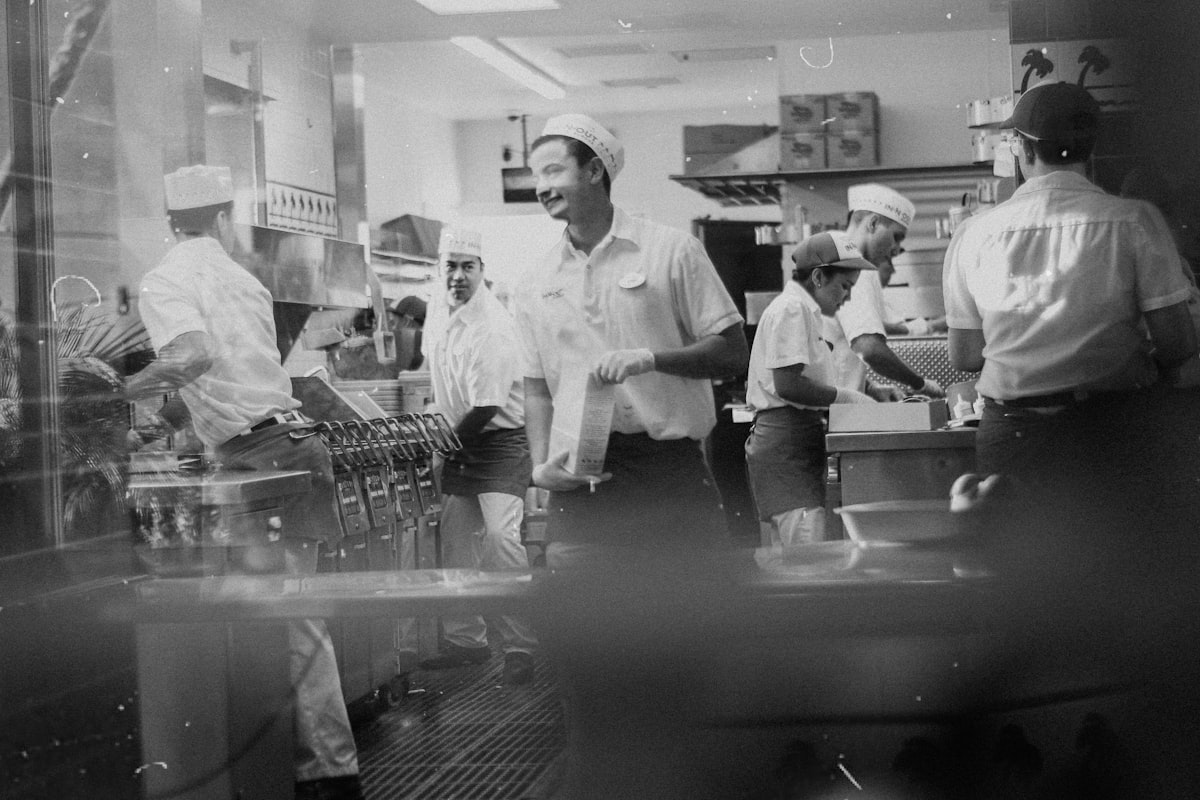
Mediterranean Cooking Techniques: A Balanced Approach to Everyday Meals
Planning Phase
We identified interest in Mediterranean cooking through reader surveys and seasonal demand. The topic aligns with our mission of balanced, whole-food cooking using accessible ingredients available in Italy.
Research & Sources
We consulted peer-reviewed studies on Mediterranean dietary patterns, interviewed three professional chefs specializing in Italian cuisine, and reviewed classic cookbooks and government nutrition guidelines. Total sources used: 12 scientific articles, 4 expert interviews, 3 food reference books.
Recipe Testing
Four traditional recipes were tested in our kitchen: pasta with seasonal vegetables, grilled fish with herbs, whole-grain salad, and extra-virgin olive oil dressing. Each recipe was prepared twice to verify timing and ingredient proportions.
Editorial Review
A senior editor reviewed for accuracy, clarity, and tone. Fact-checks confirmed historical context, nutritional principles, and cooking techniques. Two minor revisions were requested for clarity.
Expert Consultation
A food scientist reviewed the section on olive oil health benefits to ensure claims were evidence-based and not overstated. One clarification was added regarding portion sizes.
Publication & Metrics
Published with author byline, publication date, and a list of 12 sources. Six months post-publication, we received positive reader feedback and no accuracy disputes. The article remains current with no updates needed.
Meet Our Editorial Team
Marco Rossini
Chief Editor
Food writer and editor with 10 years of experience in culinary journalism. Specializes in Italian cuisine and balanced eating practices. Marco oversees all editorial content and final fact-checking.
Elena Caruso
Senior Writer
Professional chef and nutrition communicator. Elena writes about cooking techniques, seasonal ingredients, and practical meal planning. She personally tests all recipes published on our platform.
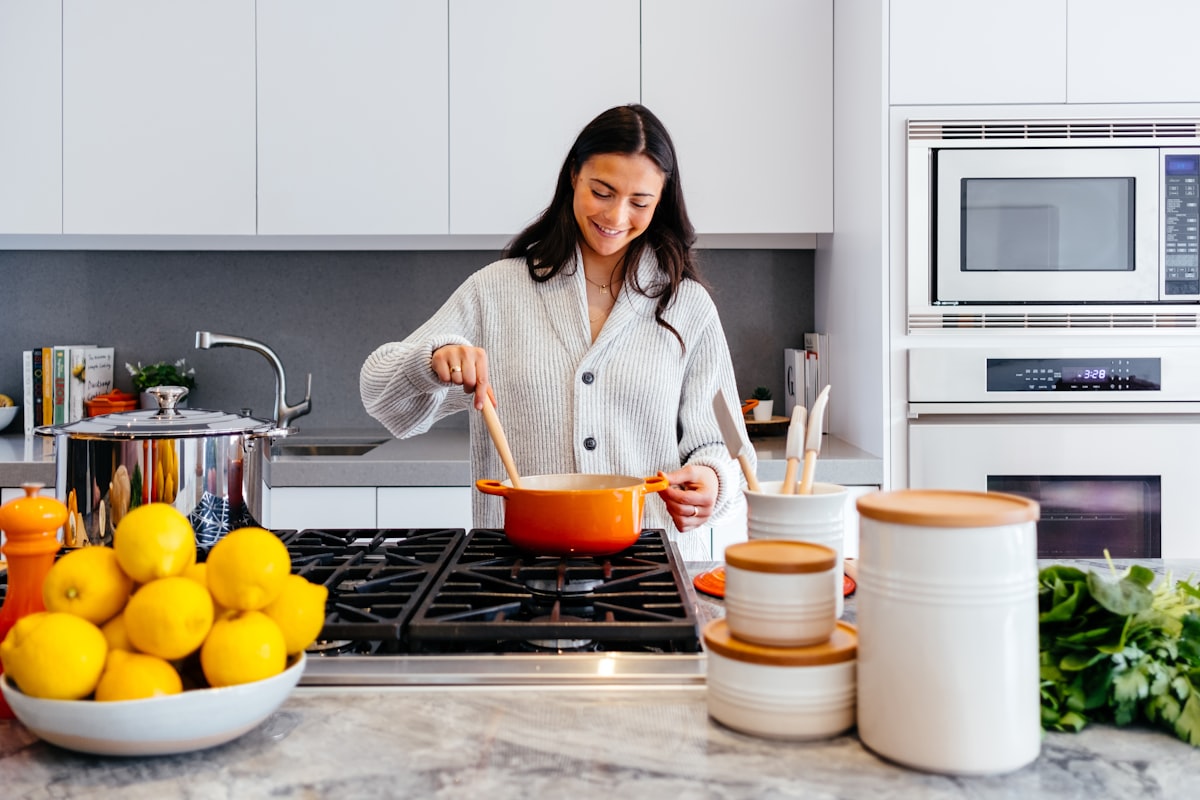
Federico Neri
Editorial Consultant
Food scientist with expertise in nutrition and cooking chemistry. Federico reviews articles involving nutritional claims or scientific research to ensure accuracy and appropriate language.
What We Won't Publish
To maintain editorial integrity, we do not publish content that:
- ✗ Makes unproven claims about food "curing" or "treating" medical conditions
- ✗ Promotes extreme, restrictive, or unsustainable eating patterns
- ✗ Encourages rapid weight loss or promises guaranteed outcomes
- ✗ Contains undisclosed sponsorships or biased promotion of specific brands
- ✗ Uses pseudoscientific terminology or presents opinion as fact
- ✗ Violates copyright or plagiarizes other published work
- ✗ Discriminates against or disrespects individuals or dietary groups
Primary Sources & References We Rely On
Scientific & Academic Sources
- • Peer-reviewed journals in nutrition and food science
- • Systematic reviews and meta-analyses
- • Government nutrition agencies and dietary guidelines
- • University research centers and food science departments
- • Professional dietetic and culinary associations
Expert Interviews & Consultation
- • Professional chefs and culinary instructors
- • Food scientists and nutrition experts
- • Agricultural specialists and food producers
- • Health professionals with food-focused practices
- • Experienced home cooks and food traditions experts
Reference Materials
- • Classic cookbooks and culinary textbooks
- • Food composition databases and nutrition references
- • Historical and cultural food documentation
- • Official food safety and handling guidelines
- • Ingredient sourcing and seasonal availability guides
Institutional Resources
- • Italian Ministry of Health and agriculture departments
- • European Food Safety Authority (EFSA)
- • WHO and FAO publications on nutrition
- • Regional culinary heritage and food traditions organizations
- • Certified food testing laboratories